
A relentless heat wave is gripping large portions of the Western United States this weekend, with temperatures soaring near record highs from Arizona all the way up to Montana. A massive ridge of high pressure known as a heat dome is trapping hot air close to the ground, creating dangerous conditions across an already parched and fire-scarved region. Las Vegas was forecast to hit 115 degrees on Saturday, making it the hottest day of the year so far, while Phoenix was expected to reach 116 and El Centro, California, could shatter records at 118 degrees. Even parts of Montana, not typically associated with triple-digit heat, were bracing for unprecedented warmth, with Great Falls projected to top its previous record of 101 degrees by reaching 104.
What makes this particular heat wave especially hazardous, according to National Weather Service meteorologist Morgan Stessman, is that overnight lows are expected to remain stuck in the upper 80s to low 90s, denying the body any chance to recover after sunset. Stessman noted that Saturday’s forecast high in Las Vegas ran about ten degrees above normal for early August, with similarly brutal conditions expected through Sunday before some relief arrives early next week. Officials across the region have been urging residents to stay indoors, stay hydrated, and check on vulnerable neighbors, particularly the elderly and those without access to air conditioning.
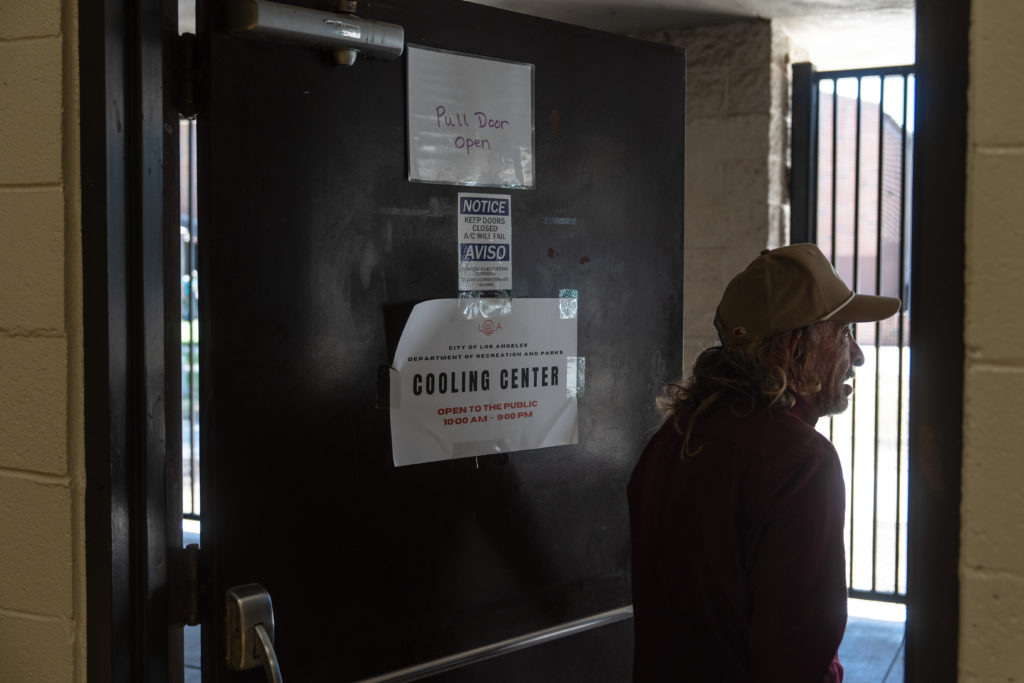
Cooling centers have become lifelines in cities like Phoenix, where the Justa Center typically serves seniors but opens its doors to the general public during afternoon hours when the heat peaks. Operations director Rudy Soliz said roughly two hundred people pass through each day seeking meals, water, electrolyte packets, and simply a place to sit in air conditioning before moving along to another destination or shelter. In Billings, Montana, the Rescue Mission opened earlier than usual ahead of forecasted highs near 106 degrees, offering dinner, beds, and breakfast to anyone needing refuge from the sweltering conditions.
Beyond the immediate threat to human health, forecasters are deeply concerned that the combination of extreme heat and bone-dry vegetation will significantly escalate wildfire danger across several states. Most of Montana was already under a red flag warning Saturday with active fires burning and high winds expected to complicate containment efforts. In Washington state, Governor Bob Ferguson declared a state of emergency ahead of what the weather service called an unusually dangerous red flag alert rating fire risk as extreme across Eastern Washington, where more than three hundred square miles are currently burning across twelve large blazes. The governor also moved to ban most outdoor and agricultural burning through September’s end while crews battle flames throughout the region.
Scientists say climate change driven by fossil fuel emissions continues to make these events more frequent and more severe by intensifying droughts and extending wildfire seasons year after year. This latest wave comes amid one of the strongest El Niño patterns recorded since tracking began decades ago, which has disrupted global weather systems and pushed temperatures even higher worldwide.