
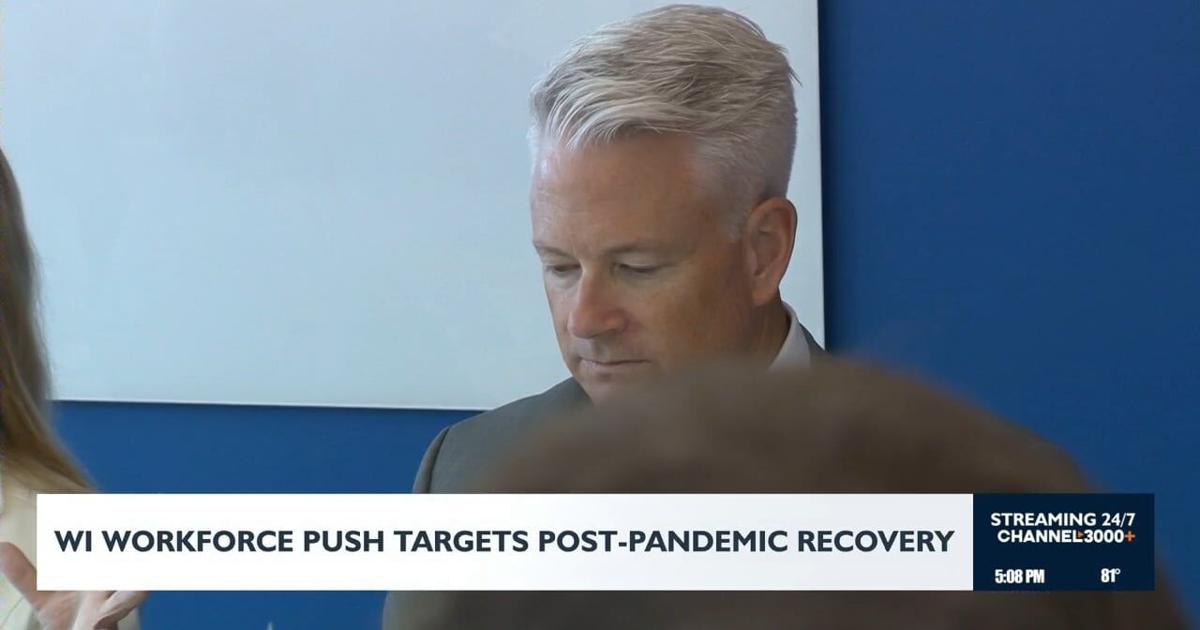
The Wisconsin Department of Workforce Development is shining a light on a massive 168 million dollar investment designed to bridge the gap between marginalized residents and stable employment. The initiative specifically targets those who struggled most during the fallout of the COVID-19 pandemic, focusing on individuals facing homelessness, those recovering from opioid addiction, and survivors of domestic violence. By integrating social services with job placement, the state aims to meet people exactly where they are rather than expecting them to navigate complex systems alone.
To ensure these participants could actually maintain their new roles, the funding provided critical stabilization supports including assistance with rent, transportation, and childcare. These resources acted as a safety net while residents underwent training for in-demand skill sets needed by modern employers. According to Secretary Amy Pechacek, this holistic approach was transformational because it didn’t just place people in temporary gigs but connected them to family sustaining wages and long term career paths across the state.
Despite reporting record highs in overall jobs and employment numbers, Wisconsin continues to grapple with an persistent worker shortage. State leaders believe that by aggressively removing personal barriers and aligning worker skills with employer needs, they can create a more sustainable economic engine. Pechacek noted that stabilizing a person’s life circumstances first allows them to become reliable employees, which ultimately builds a stronger and more resilient economy for every community in the region.