
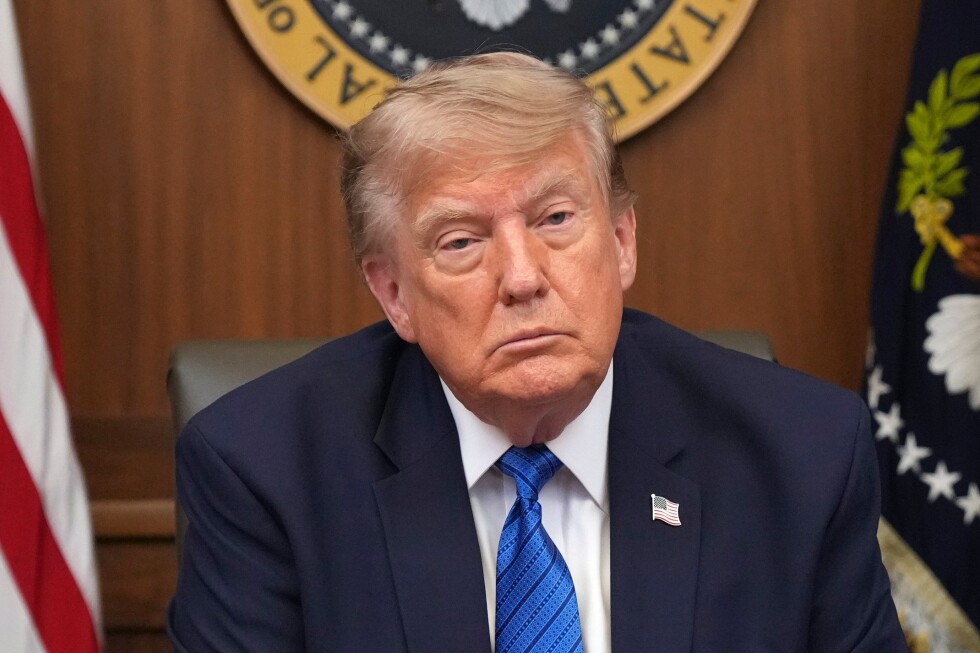
President Donald Trump sent mixed signals on Friday about his $1.8 billion anti-weaponization fund, declaring it dead while simultaneously defending the idea of compensating allies he says were unfairly prosecuted by the Justice Department. Speaking to reporters at Camp David, Trump said administration officials had agreed not to move forward with the fund, yet he made clear he disagreed with that decision. Hours earlier, he had taken to social media to argue that people prosecuted by the Justice Department, many for their roles in the January 6 Capitol attack, are still suffering and deserve compensation for what was done to them.
The contradictory messages have further entangled negotiations with Republican Senators John Cornyn of Texas and Thom Tillis of North Carolina, both members of the Senate Judiciary Committee, who are refusing to support Todd Blanche’s nomination for attorney general until they see in writing that the fund is truly scrapped. The two senators have been working for weeks with the White House and Blanche, who is currently serving as acting attorney general, to secure a binding commitment. But they say they are still not satisfied with what they have received. Tillis noted pointedly after Trump’s social media post that the president’s own words suggested the fund was still alive, which is precisely why formal action to end it remained necessary.
The Justice Department has provided language stating that Blanche’s May order establishing the Anti-Weaponization Fund is rescinded and shall have no force or effect, according to a document reviewed by The Associated Press. But Cornyn and Tillis are also seeking written clarification on a separate piece of the IRS settlement that would grant Trump and members of his family immunity from certain tax audits. Cornyn said this week that his understanding was that the audits could cover more than 100 different Trump organization subsidiaries going forward, while Blanche has maintained the provision is limited to parties in the litigation and applies only retrospectively. All the senators want, Cornyn said, is for that understanding to be put in writing.
Behind the scenes, negotiations have been complicated by what appears to be tension between career officials at the Justice Department and White House advisers. Cornyn said Thursday that Blanche and the department seemed aligned with the senators but that Trump himself balked when he learned of the discussions. Three people with direct knowledge of the talks blamed Trump legal adviser Boris Epshteyn as an obstacle to reaching an agreement. White House communications director Steven Cheung pushed back against that characterization, saying anyone trying to assign blame to the president or his team has no idea what is happening and should focus instead on confirming Blanche without delay. Meanwhile, Judiciary Committee Chairman Chuck Grassley rescheduled the postponed committee vote on Blanche’s nomination for Tuesday, giving both sides more time to reach an agreement before the August recess.