
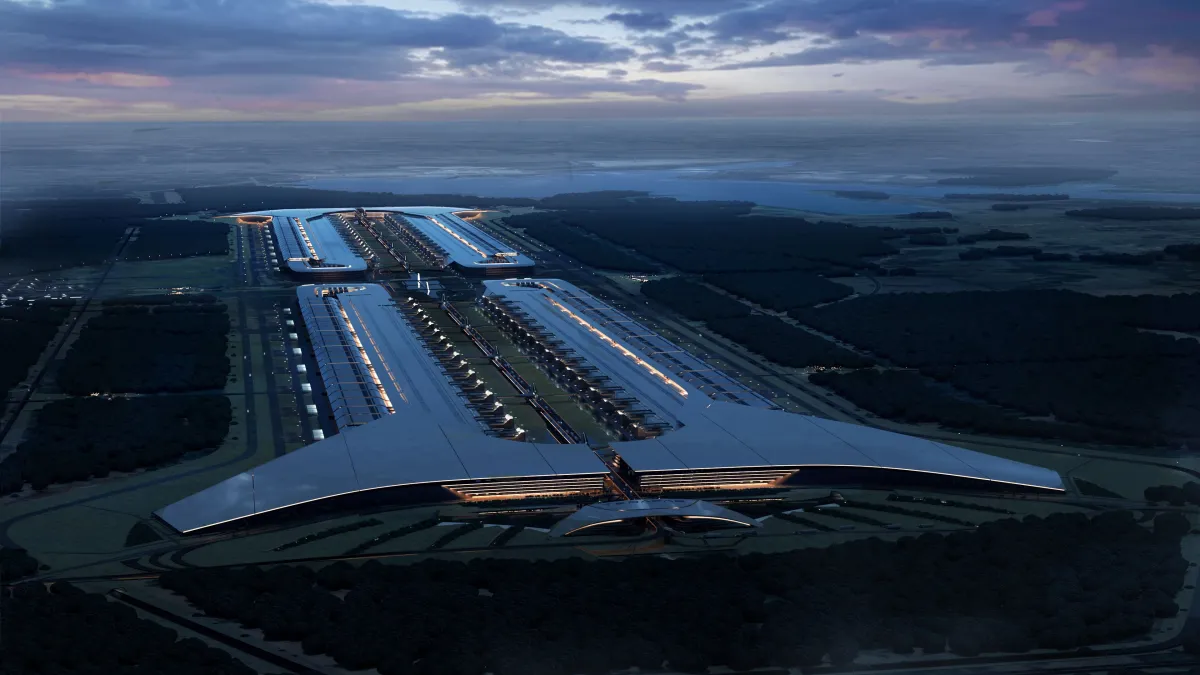
Elon Musk is doubling down on his vision for an automated future with the announcement that Tesla and SpaceX will jointly develop a massive semiconductor plant in Texas. Dubbed Terafab, the facility will be located in Grimes County outside of Houston, backed by an initial investment of 16.8 billion dollars. Musk describes the project as potentially the largest and most valuable building on Earth, boasting more than 100 million square feet of manufacturing space dedicated to producing the high powered chips necessary for artificial intelligence and robotics.
The primary goal of Terafab is to eliminate bottlenecks in the global chip supply chain to fuel Musk’s ambitious roadmap. The factory will focus on creating specialized hardware for Tesla’s Optimus robots and autonomous Cybercabs, while also producing high performance chips for SpaceX’s satellite based data centers. By integrating manufacturing, packaging, and testing under one roof, the companies hope to accelerate development cycles through rapid, recursive improvements. While Intel has indicated it will play a role in the venture, specific details regarding its contribution remain vague.
Despite the technological promise, the project has already met some resistance from the local community. Hundreds of residents recently gathered at a county meeting to express concerns over transparency and the significant tax breaks granted to the project. To address environmental worries, SpaceX stated it intends to draw water from the Gibbons Creek Reservoir rather than relying on local groundwater sources. Despite these frictions, local officials are optimistic; Dr. Sarah Borowicz, superintendent of the Anderson Shiro Consolidated Independent School District, noted that the agreement represents a defining moment that could provide immense opportunities for area students.
While the immediate investment is substantial, total costs could skyrocket as construction moves into later stages. Some SpaceX filings suggest a multi phase plan that could eventually reach 119 billion dollars in spending. If successful, Terafab would create at least 3,000 jobs across Grimes and Brazos counties and solidify Texas as a central hub for the next generation of computing infrastructure required to run a world populated by AI agents and driverless fleets.